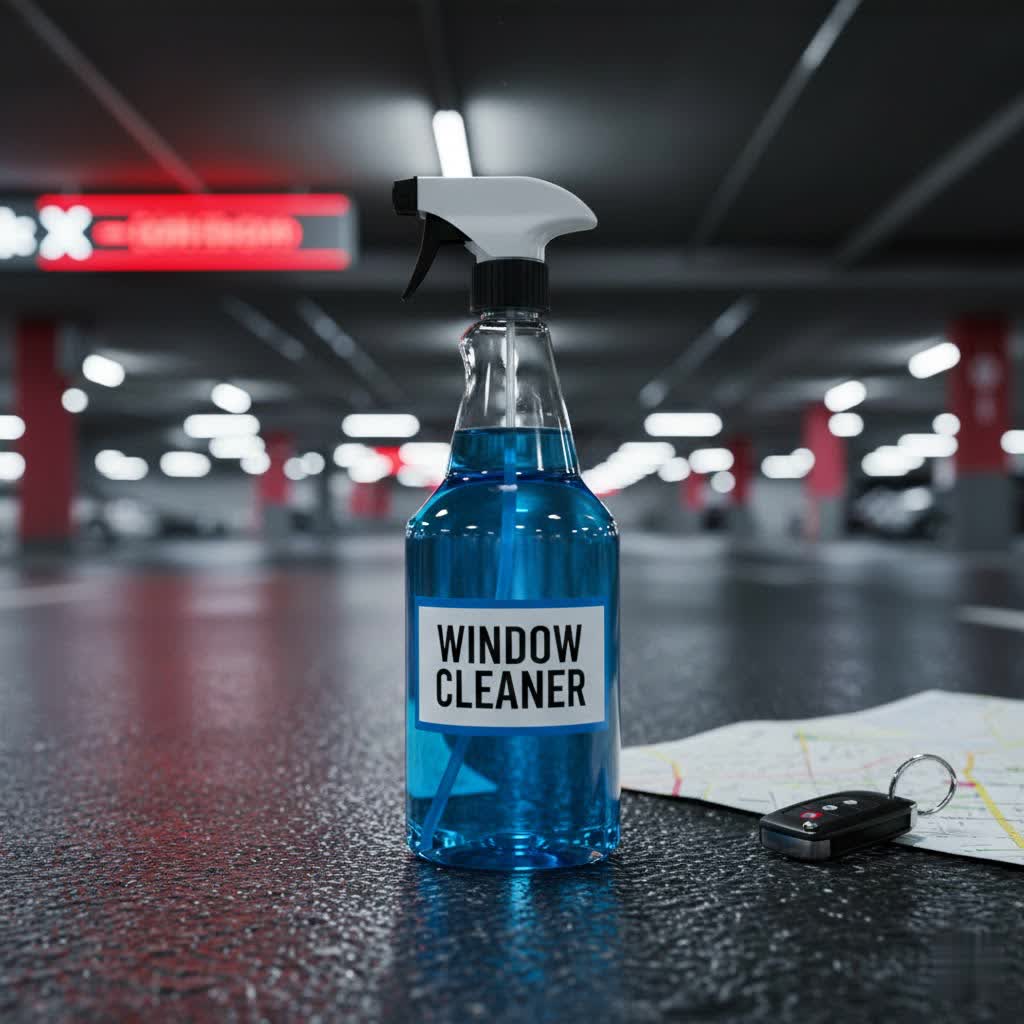
Are you tired of the tedious and often risky chore of cleaning windows, especially those hard-to-reach panes? Imagine a world where your windows gleam without you lifting a finger. Robotic window cleaners are revolutionizing home maintenance, offering a futuristic solution to achieve spotless glass with remarkable ease. These ingenious devices promise to take the strain out of window washing, transforming a dreaded task into a hands-off experience. This comprehensive guide will walk you through everything you need to know, from how these smart gadgets work to choosing the perfect model for your home and keeping it performing its best.
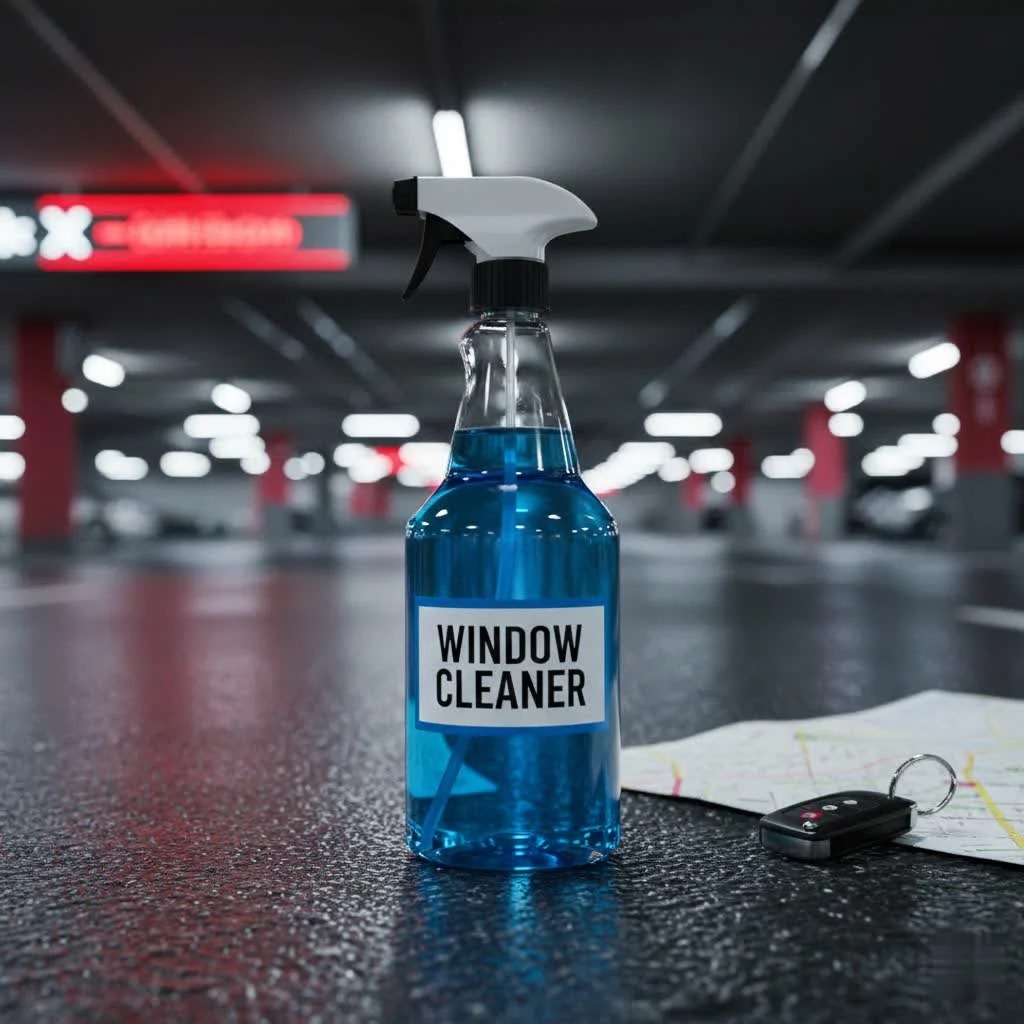
What is a Window Cleaner, and Why Do You Need It?
A window cleaner, in the broadest sense, is any tool or solution used to clean glass surfaces. Traditionally, this meant squeegees, cloths, and sprays, often accompanied by ladders for higher windows. However, modern advancements have introduced sophisticated automated window cleaning solutions, primarily robotic window cleaners. These are intelligent, autonomous devices designed to adhere to glass surfaces and systematically clean them. For complete window cleaning library on this site.
You need a robotic window cleaner to tackle common window cleaning challenges such as stubborn dirt, streaks, and the sheer physical effort and safety risks involved, especially with large or elevated windows. They offer significant benefits, including saving valuable time and reducing physical strain. By automating the cleaning process, you eliminate the need for precarious ladder climbing and repetitive scrubbing, making window maintenance safer and more efficient.
Popular Types of Window Cleaners
While the focus here is primarily on robotic solutions, it’s helpful to understand the broader landscape of window cleaning tools. Each type caters to different needs and preferences, from manual simplicity to advanced automation.
Handheld Window Cleaners
Handheld window cleaners encompass traditional tools like squeegees, microfiber cloths, and spray bottles.
- Advantages: They are generally compact, inexpensive, and offer direct control over the cleaning process. They are perfect for small, easily accessible windows or minor touch-ups.
- Disadvantages: Requires significant manual effort and can be time-consuming for larger homes or numerous windows. Reaching high windows safely is a major challenge.
- Best for: Small windows, interior glass, quick spot cleaning, and those with a preference for manual control.
Robotic Window Cleaners
Robotic window cleaners are intelligent devices that adhere to glass and autonomously navigate to clean surfaces. This category itself can be further broken down by how they move and clean.
- Advantages: They offer automated cleaning, significant time and effort savings, and enhanced safety for high windows. Many models feature smart navigation, app control, and streak-free results for routine maintenance.
- Disadvantages: Generally higher initial cost compared to manual methods. Some models may struggle with heavy grime or textured glass, potentially requiring pre-cleaning.
- Best for: Large windows, high-rise apartments, glass doors, and homeowners seeking convenience and safety.
Magnetic Window Cleaners
|
Our Picks for the Best Window Cleaner in 2026
As an Amazon Associate I earn from qualifying purchases.
|
||
| Num | Product | Action |
|---|---|---|
| 1 | Eazer Squeegee Window Cleaner Tool, 2 in 1 Rotatable Window Cleaning Squeegee Kit with Extension Pole, 62'' Window Washing Kit, Bendable Head for Car Glass - 2 Scraper |

|
| 2 | VITEVER Professional 69'' Window Squeegee Cleaner Tool with Extension Pole, 2-in-1 Squeegee for Window Cleaning Kit with Scrubber and Rotating Head, 1 Blade 2 Scrubber |
|
| 3 | Window Vacuum Squeegee Cordless, 2000Pa Electric Window Cleaner Tool with 2200mAh & 150ml Water Collection Tank, Window Cleaning Kit Shower Squeegee for Glass Doors, Windows, Mirrors, Car (White) |
|
| 4 | DSV Standard Window Squeegee, 2-in-1 Window Cleaner with 55" Extension Poles, Window Washing Kit, Glass Door Cleaner, Multi-Use Car Windshield Cleaning Tool with Long Handle for High Outdoor Windows |
|
| 5 | AstroAI Windshield Cleaner Tool, Car Interior Window Detailing Cleaning Kit with Extendable Handle and 4 Easy-to-Install Reusable Microfiber Pads, Auto Glass Wiper Brush Kit for Car&Home, Blue, 21in |
|
| 6 | Windex Glass and Window Cleaner Spray Bottle, Packaging Designed to Prevent Leakage and Breaking, Surface Cleaning Spray, Original Blue Scent, 23 Fl Oz (Pack of 2) |
|
| 7 | Sprayway Ammonia-Free Glass Cleaner, Foaming Action - Streakless Shine, 15 Ounce (Pack of 1) |
|
| 8 | Castle C2003 Streak Proof Glass Cleaner, 12-Pack (Case) |
|
| 9 | FMART W6 Window Cleaner Robot Double-Sided Spray Water, 3800Pa Strong Suction Smart Window Cleaning Robot, APP&Remote Control Robot Suitable for Outdoor/Indoor High Rise Windows |
|
| 10 | Kärcher WV 1 Electric Window Vacuum Squeegee 10" - Perfect for Showers, Mirrors, Glass, and Countertops - Electric Squeegee |
|
Magnetic window cleaners consist of two magnetic halves that clean both sides of a window simultaneously.
- Advantages: Cleans both sides of the glass at once, eliminating the need to go outside for exterior cleaning on some windows. Relatively safe for upper-story windows.
- Disadvantages: Requires a specific glass thickness for effective operation, and cleaning corners or edges can be tricky. Can be challenging to maneuver initially.
- Best for: Windows with consistent glass thickness, especially those where exterior access is limited.
Specialized Cleaning Solutions/Liquids
These are formulated detergents designed to break down dirt and leave a streak-free finish when used with appropriate tools.
- Advantages: Can provide deep cleaning, prevent streaks, and sometimes offer protective coatings for glass. Many are designed to be safe for various window types.
- Disadvantages: Requires combination with a cleaning tool (cloth, squeegee, or robot). Incorrect application can still lead to streaks.
- Best for: All window types, as a complementary product to any cleaning method for optimal results.
Understanding Robotic Window Cleaners
Robotic window cleaners are transforming how we maintain our homes, offering a blend of innovation and practicality. They are autonomous devices designed to cling to vertical glass surfaces using powerful suction, then traverse and clean them methodically. Most models employ a combination of microfiber cleaning pads, vacuum suction, and often an integrated spray system to deliver a comprehensive clean. As they move across the glass, these robots mimic the pressure you would typically apply when cleaning by hand, ensuring effective dirt removal. [cite: 1, 3 (search result 3)]
The secret to their effectiveness lies in their design: microfiber pads absorb dirt and grime, while a fine mist of cleaning solution (often ultrasonic) helps loosen particles without oversaturating the window or leaving streaks. [cite: 1 (search result 1), 1 (search result 3)] Many come with intelligent navigation systems that map the cleaning path, edge detection sensors to prevent falls, and even backup battery systems for added safety during power interruptions. While not entirely hands-free, as they typically require human placement and removal, they drastically reduce the effort involved in maintaining spotless windows. [cite: 5 (search result 3)]
Comparison Table: Robotic Window Cleaners
| Feature / Type | Robotic (Suction-based) | Handheld (Manual) | Magnetic (Dual-sided) |
|---|---|---|---|
| Price Range | High ($150 – $800+) | Low ($10 – $50) | Medium ($30 – $150) |
| Cleaning Efficiency | High (Automated, consistent, streak-free for maintenance) | Medium (Depends on user skill, can be streaky) | Medium-High (Cleans both sides, can miss corners) |
| Effort Required | Low (Set-and-forget, requires initial placement) | High (Physical exertion, repetitive) | Medium (Requires manual guidance, thickness matching) |
| Safety | High (No ladder climbing, anti-drop features) | Low (Risk of falls for high windows) | Medium (Avoids ladder, but magnet can detach if mismatched) |
| Speed | Medium-High (Automated paths, can be slow on heavy grime) | Varies (Fast for small areas, slow for large) | Medium (Limited by manual speed and window size) |
| Features | App/Remote control, smart navigation, spray systems, UPS | Basic (Squeegee, cloth) | Two-sided cleaning, safety string |
| Window Types | Large, high-rise, framed/frameless, mirrors, tiles | Small, accessible, interior | Specific glass thicknesses, often framed |
| Maintenance | Regular pad cleaning/replacement, solution refills | Cloth washing, squeegee blade replacement | Pad cleaning, magnet strength check |
| Best Use Case | Regular maintenance of large, hard-to-reach glass surfaces | Quick spot cleans, easily accessible windows | Double-glazed windows where exterior access is difficult |
| Limitations | Can struggle with heavy grime, initial cost, corded models | Physical limits, safety risks, time-consuming for large jobs | Glass thickness dependency, corner cleaning challenges |
How to Choose the Right Robotic Window Cleaner (Buying Guide)
Selecting the best robotic window cleaner depends on your specific needs, window types, and budget. Consider these important criteria to make an informed decision:
-
Identify Your Cleaning Needs:
- Window Type: Do you have large, floor-to-ceiling windows, frameless glass, or multi-pane windows? Some robots excel on large, uninterrupted surfaces, while others are better at navigating edges and frames.
- Frequency: Are you looking for a device for routine maintenance or to tackle heavily soiled windows? For heavy grime, you might need a more powerful model or expect to pre-clean.
- Accessibility: For high-rise apartments or difficult-to-reach exterior windows, a robotic cleaner offers significant safety advantages.
- Budget: Prices vary widely, so define your spending limit and look for models that offer the best features within that range.
-
Key Features to Look For:
- Suction Power (Pa): Higher Pascal (Pa) ratings generally indicate stronger adhesion to the glass, crucial for safety and stability, especially on vertical or slightly textured surfaces. Look for 2500 Pa or more.
- Cleaning Mechanism:
- Pads: Some robots use round pads, others square. Square pads may offer better corner coverage, while rotating round pads provide efficient scrubbing.
- Spray System: An integrated water spray system, especially ultrasonic mist, helps dissolve dirt and prevents streaks.
- Navigation and Mapping: Advanced robots use AI (like WIN-SLAM) for intelligent path planning, ensuring comprehensive coverage and efficient cleaning without repetitive passes. Edge detection sensors are vital for frameless windows.
- Control Options: Most robots come with a remote control, and many premium models offer smartphone app control, allowing for scheduling, mode selection, and real-time monitoring.
- Safety Features: This is paramount. Look for:
- UPS (Uninterruptible Power Supply) Backup Battery: Ensures the robot stays attached for a period in case of a power outage, preventing falls.
- Safety Rope/Tether: An essential backup that attaches the robot to an anchor point, providing an extra layer of protection.
- Anti-drop Sensors: Detect edges and changes in surface, guiding the robot away from potential falls.
- Battery Life (for cordless models): If you opt for a cordless model, check its run time on a single charge. 100-110 minutes is considered excellent.
- Noise Level: Some vacuum-based robots can be quite loud. Check reviews for decibel levels if noise is a concern.
- Water Tank Capacity: A larger tank means fewer refills during a cleaning session.
- Dimensions and Weight: Consider if the robot’s size is appropriate for your window panes and if it’s easy to handle.
-
Brand Reputation and Warranty: Opt for reputable brands known for quality and customer support. A good warranty provides peace of mind for your investment. Reading user reviews and expert assessments can offer valuable insights into real-world performance and reliability.
> “Choosing a robotic window cleaner isn’t just about sparkling glass; it’s about investing in convenience and, most importantly, safety for those challenging-to-reach panes.” – Maria Chen, Smart Home Appliance Specialist
Top 5 Robotic Window Cleaners of Today
Here’s a look at some of the best robotic window cleaners currently on the market, highly regarded for their performance, features, and user satisfaction. (Note: Prices are approximate and subject to change.)
1. ECOVACS WINBOT W2 PRO OMNI
The WINBOT W2 PRO OMNI stands out as a premium choice, representing a significant leap in automated window cleaning.
- Pros: Features an innovative OMNI station that provides 110 minutes of power cable-free cleaning. Utilizes three-nozzle wide-angle spray atomization and WIN-SLAM 4.0 intelligent planning for superior streak-free results. It adapts to almost all window surfaces, including floor-to-ceiling, frameless, and tilting glass. Excellent safety features, including a 12-stage safety system. [cite: 2, 3 (search result 2)]
- Cons: High price point. [cite: 1 (search result 1), 5 (search result 2)]
- Best for: Homeowners seeking the most advanced, hassle-free, and safest window cleaning experience for large, diverse window types.
2. HOBOT S7 Pro
The HOBOT S7 Pro is recognized for its intelligent cleaning and robust performance.
- Pros: Delivers professional-level cleaning with an ultrasonic water spray system for precise solution distribution. Features smart sensors for edge detection and adaptive cleaning patterns. Known for reliable performance and comprehensive safety features. [cite: 5 (search result 1)]
- Cons: Can be on the pricier side. Requires a power cord for operation. [cite: 3 (search result 1)]
- Best for: Users who prioritize professional results, advanced features, and reliable performance on various glass types, including textured surfaces.
3. ECOVACS WINBOT W1 Pro
A solid predecessor to the W2, the W1 Pro offers excellent deep cleaning capabilities.
- Pros: Boasts 2,800 Pa of strong suction power for firm grip. Features WIN-SLAM 3.0 path planning and three cleaning modes (quick, deep, spot removal). Ultrasonic water spray system ensures streak-free results. Good safety features like non-slip movement and power failure protection. [cite: 1 (search result 2)]
- Cons: Still requires a power cord, which can be somewhat restrictive. [cite: 3 (search result 1)]
- Best for: Those looking for a powerful, intelligent robot for deep cleaning and consistent maintenance, offering great value at a slightly lower price than top-tier models.
4. AlfaBot X7
This robot is highlighted for its deep cleaning and dual spray capabilities, particularly for high-rise windows.
- Pros: Strong suction and dual-sided water outlets for thorough hydration of the glass. Guided by intuitive cleaning technology, it picks optimal paths. Effective for deep cleaning, making it suitable for heavily soiled windows.
- Cons: Specific run time or battery life details might vary; ensure to check current specifications.
- Best for: Homeowners with large, high-rise windows that require robust deep cleaning and intelligent path planning.
5. HUTT W8 Window Cleaning Robot
Known for its strong suction and anti-fall features, the HUTT W8 offers reliable cleaning.
- Pros: Very high suction power (up to 6000 Pa for some models) ensures secure attachment. Advanced navigation prevents repetitive passes and adapts cleaning patterns based on window size. Premium build quality and includes safety systems.
- Cons: Can be a premium-priced option.
- Best for: Users seeking maximum security and stability for their robotic window cleaner, especially for large and potentially high windows, along with smart cleaning features.
How to Use and Maintain Your Robotic Window Cleaner Correctly
To maximize the performance and longevity of your robotic window cleaner, proper usage and diligent maintenance are key.
Usage Instructions (General Guidelines):
- Prepare the Window: For heavily soiled windows, consider a quick pre-wipe to remove loose dirt and large debris. Robotic cleaners are best for maintenance and lighter dirt, not thick mud or baked-on grime.
- Apply Cleaning Solution: Most robots have an integrated spray system. Use the manufacturer’s recommended cleaning solution or a high-quality glass cleaner. Avoid overly foamy solutions.
- Attach the Robot: Place the robot firmly onto the window glass. Ensure the suction is fully engaged before releasing your grip.
- Connect Safety Tether: Always attach the safety rope to a secure anchor point (e.g., a sturdy furniture leg, window frame) as a critical backup.
- Start Cleaning: Use the remote control or smartphone app to select a cleaning mode (e.g., quick, deep, spot) and start the robot.
- Monitor Progress: While the robot works autonomously, it’s wise to keep an eye on it, especially during the first few uses.
- Remove When Done: Once the robot signals completion or returns to its starting point, carefully detach it from the window.
- Clean Pads Frequently: Change or clean the microfiber pads after every few windows or whenever they appear dirty. Dirty pads are the primary cause of streaks.
Tips for Effective Window Cleaning:
- Clean Regularly: Robotic window cleaners are most effective when used for regular maintenance, preventing heavy dirt buildup.
- Start Top-Down: If cleaning manually before the robot, always work from top to bottom.
- Avoid Extreme Conditions: Do not use robots on wet windows (e.g., with condensation) or in extremely cold temperatures (below 32°F / 0°C), as this can affect suction and battery performance. [cite: 1 (search result 4)]
- Edge Cleaning: For frameless windows, ensure your robot has advanced edge detection to prevent it from falling.
Maintenance for Longevity:
- Clean Microfiber Pads: This is the most crucial step. Wash pads regularly according to manufacturer instructions. Many are machine washable.
- Clean Sensors and Wheels: Periodically wipe down the robot’s sensors and wheels to ensure proper navigation and adhesion.
- Empty Water Tank: If your model has a water tank, empty any remaining solution after use and allow it to dry to prevent mold or residue buildup.
- Store Properly: Store your robotic window cleaner in a dry, cool place, away from direct sunlight. Ensure it’s fully charged or follow manufacturer guidelines for long-term storage of batteries.
- Check for Wear and Tear: Regularly inspect the safety rope, power cord (if applicable), and cleaning pads for any signs of damage. Replace worn parts as needed.
> “The difference between clean windows and sparkling windows often comes down to the simple act of refreshing your cleaning pads. It’s a small step that yields huge results.” – Alex Johnson, Home Appliance Reviewer
Conclusion
Robotic window cleaners are no longer a futuristic fantasy; they are a practical and highly effective solution for maintaining spotless windows with minimal effort. While they require an initial investment and some human oversight, the benefits of enhanced safety, time savings, and consistently clean glass make them a worthwhile addition to any smart home. By understanding how they work, choosing a model that fits your specific needs, and committing to proper usage and maintenance, you can enjoy sparkling panes and reclaim your weekends.
Are you ready to embrace the convenience of automated window cleaning and see your world through a clearer lens?
Frequently Asked Questions
Can a robotic window cleaner clean frameless glass?
Yes, many modern robotic window cleaners are equipped with advanced edge detection technology that allows them to safely and effectively clean frameless glass surfaces. Always check the product specifications to confirm this feature.
Are robotic window cleaners safe to use on high windows?
Absolutely. One of the primary advantages of robotic window cleaners is the significantly increased safety they offer for cleaning high or hard-to-reach windows. They are designed with powerful suction, anti-drop sensors, and often come with a safety rope and a backup battery (UPS) to prevent falls.
Can robot window cleaners remove heavy, baked-on grime?
While excellent for routine maintenance and removing light to moderate dirt, most robotic window cleaners are not designed for heavy, baked-on grime, paint splatters, or hard water stains. These may require a manual pre-cleaning or specialized treatment before the robot can achieve optimal results.
How long do robotic window cleaners typically last?
With proper care and maintenance, a quality robotic window cleaner can last anywhere from 3 to 5 years, or even longer. Regular cleaning of pads, sensors, and correct storage significantly contributes to its lifespan.
Do I need special cleaning solution for my robotic window cleaner?
It’s generally recommended to use the cleaning solution specified by the manufacturer. If not provided, a high-quality, non-foaming glass cleaner can often be used. Avoid harsh chemicals or thick detergents that could clog the spray nozzles or leave residues.
Get our weekly buyer guide
Practical specs, not advice. Unsubscribe anytime.
